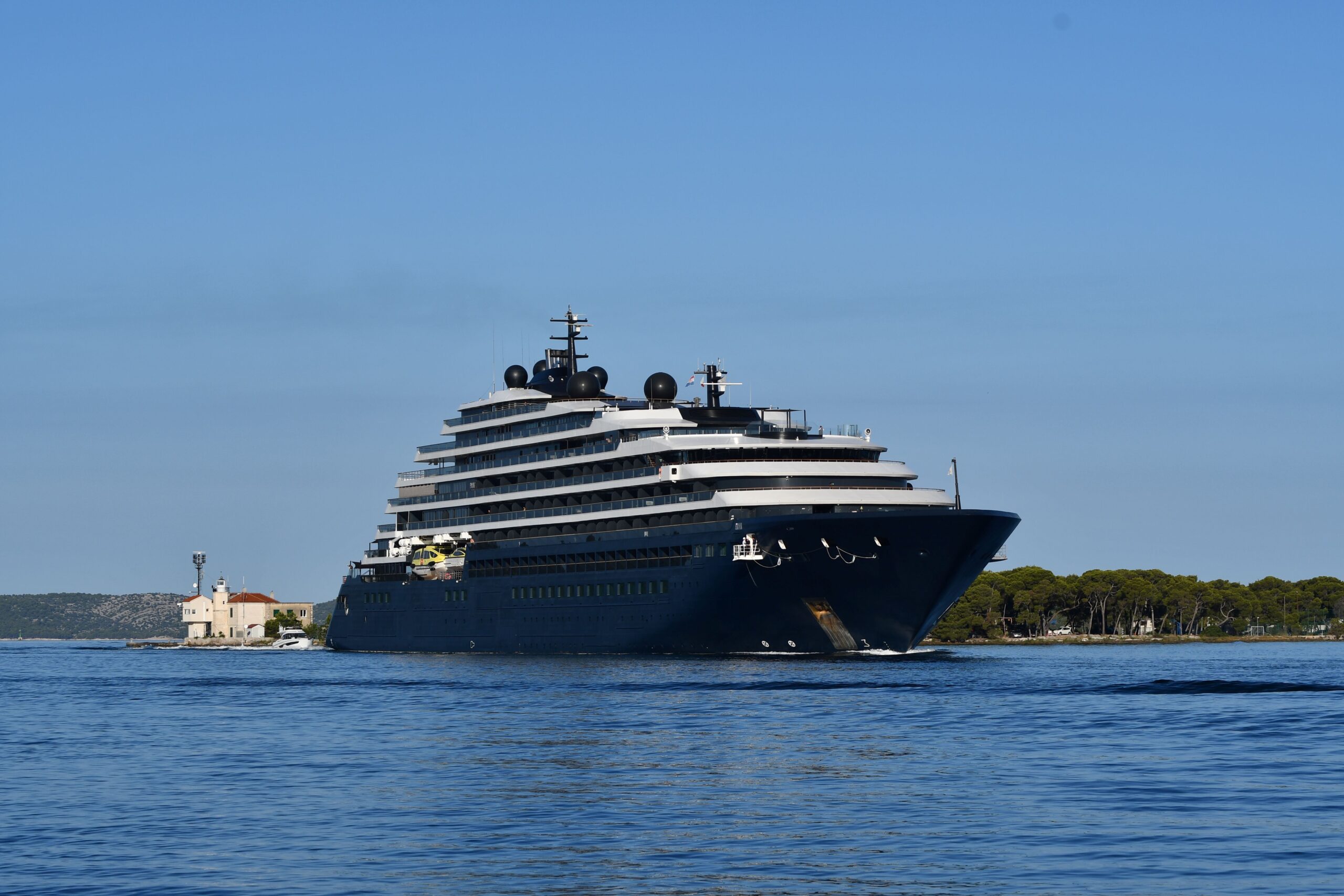
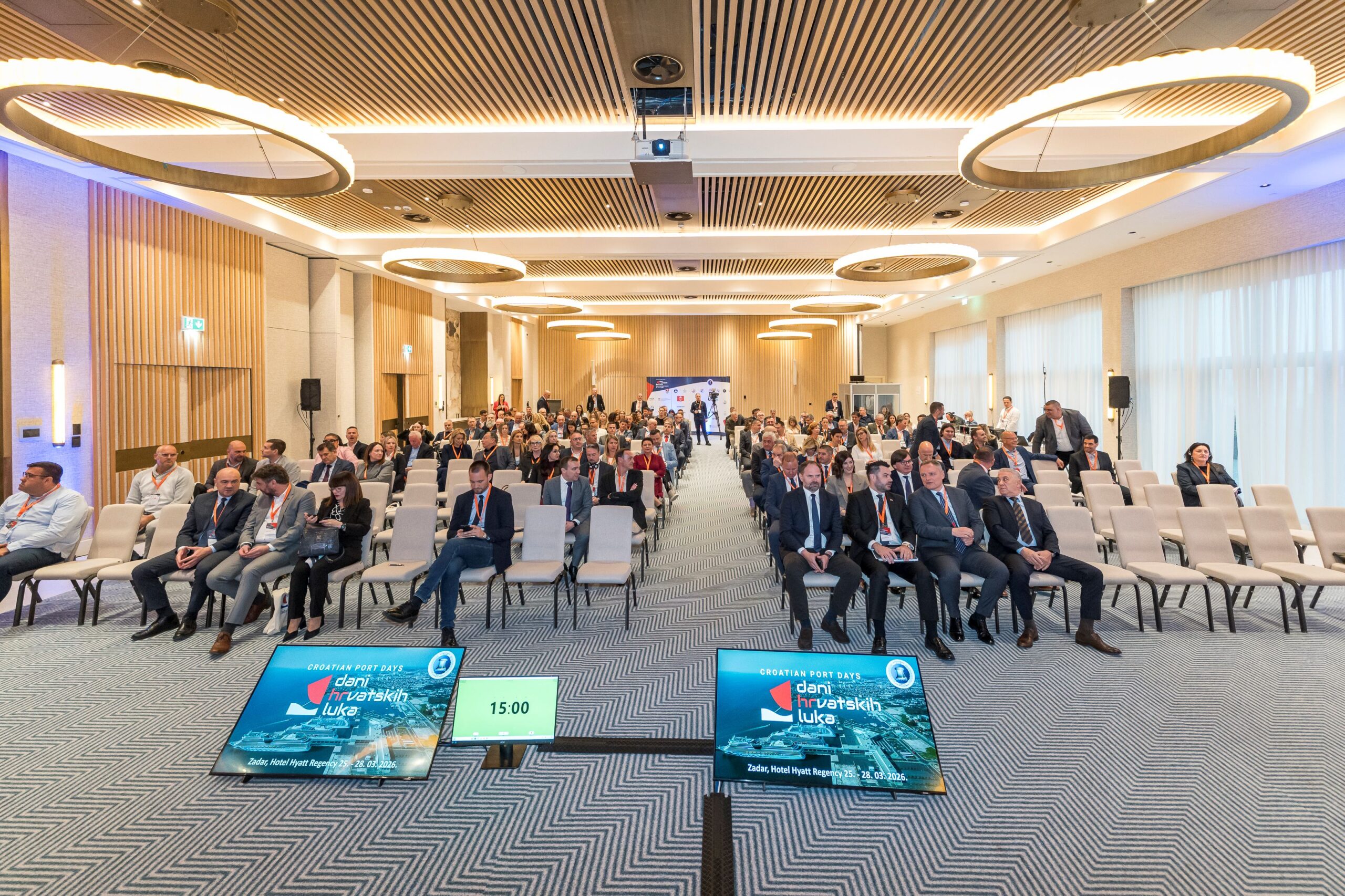
ZADAR – In recent days, Zadar and the Port Authority Zadar hosted the 2nd national conference Croatian Ports Days, an event that once again confirmed the strategic importance of Croatian ports for the economy, the country’s transport connectivity, and the tourist image of the Republic of Croatia. Over several days, Zadar became a central meeting point for experts, government representatives, academia, and leading figures from the maritime sector.
The conference gathered directors and representatives of Croatian national and county port authorities, including those from Rijeka, Zadar, Šibenik, Split, and Ploče, as well as numerous domestic and international partners.
Discussions focused on port development and modernization, sustainability and environmental protection, project financing through EU funds and national resources, port connectivity with road and especially rail transport, and the integration of ports into tourism development while preserving local communities.
Participants emphasized that investments in ports are crucial for strengthening Croatia’s competitiveness in the Mediterranean. Croatian ports have both the potential and the responsibility to follow global trends and be prepared for geopolitical and economic challenges. Ports are drivers of economic development and, as such, must be efficiently managed and financially sustainable, according to port authority directors.
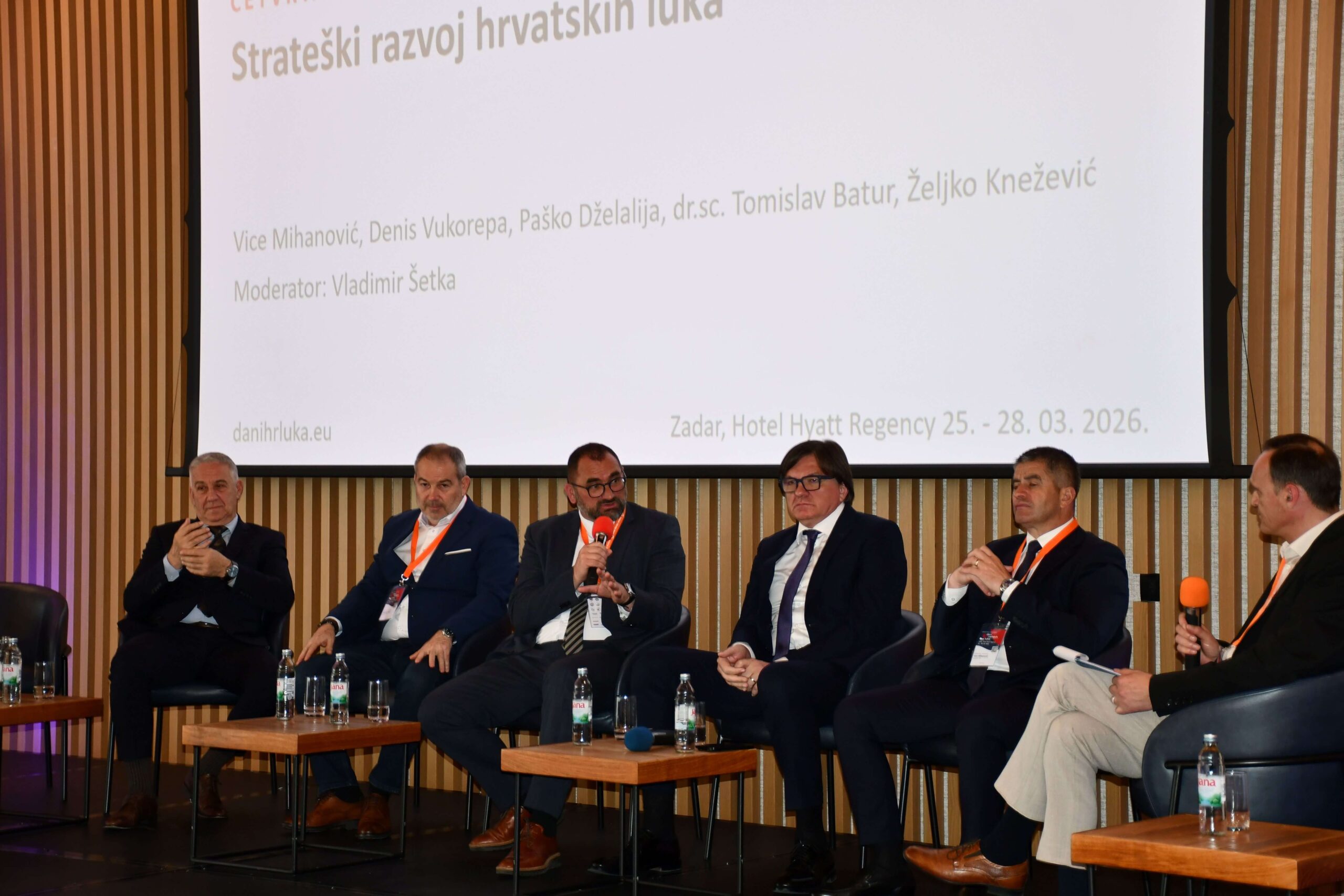
The Future of Cruise Port Management
One of the central conference topics was the cruise industry — a sector that has seen strong recovery and transformation in recent years. The focus is no longer only on increasing passenger numbers, but also on destination management, optimization of passenger flows, and alignment with local communities.
In this context, Croatian ports face the challenge of balancing economic benefits with maintaining quality of life in coastal cities. Discussions on integrating ports into urban areas and sustainable destination development were among the most relevant program segments.
In this context, Global Ports Holding, the world’s largest cruise port operator, was also presented.
Global Ports Holding is an international company specializing in the development and management of cruise ports worldwide, with a portfolio of 34 ports in 19 countries across 4 continents. Their business model includes long-term concessions, investments in terminal infrastructure, and operational port management to increase efficiency and attractiveness for large cruise ships.
In Zadar, they operate through their company Zadar International Port Operations d.o.o., which in 2018 signed a 20-year concession agreement to manage the Zadar Cruise Port in Gaženica — a modern terminal accommodating large international cruise ships and offering infrastructure for passengers, Ro-Ro, and international ferry lines.
At Croatian Ports Days, the company was presented by Stephen Xuereb, Chief Operating Officer, who emphasized the importance of destination marketing and strengthening the relationship between local communities and global cruise companies. He also highlighted Zadar’s potential as a significant cruise destination within the GPH network and the role of such investments in expanding tourism and economic benefits for the region.
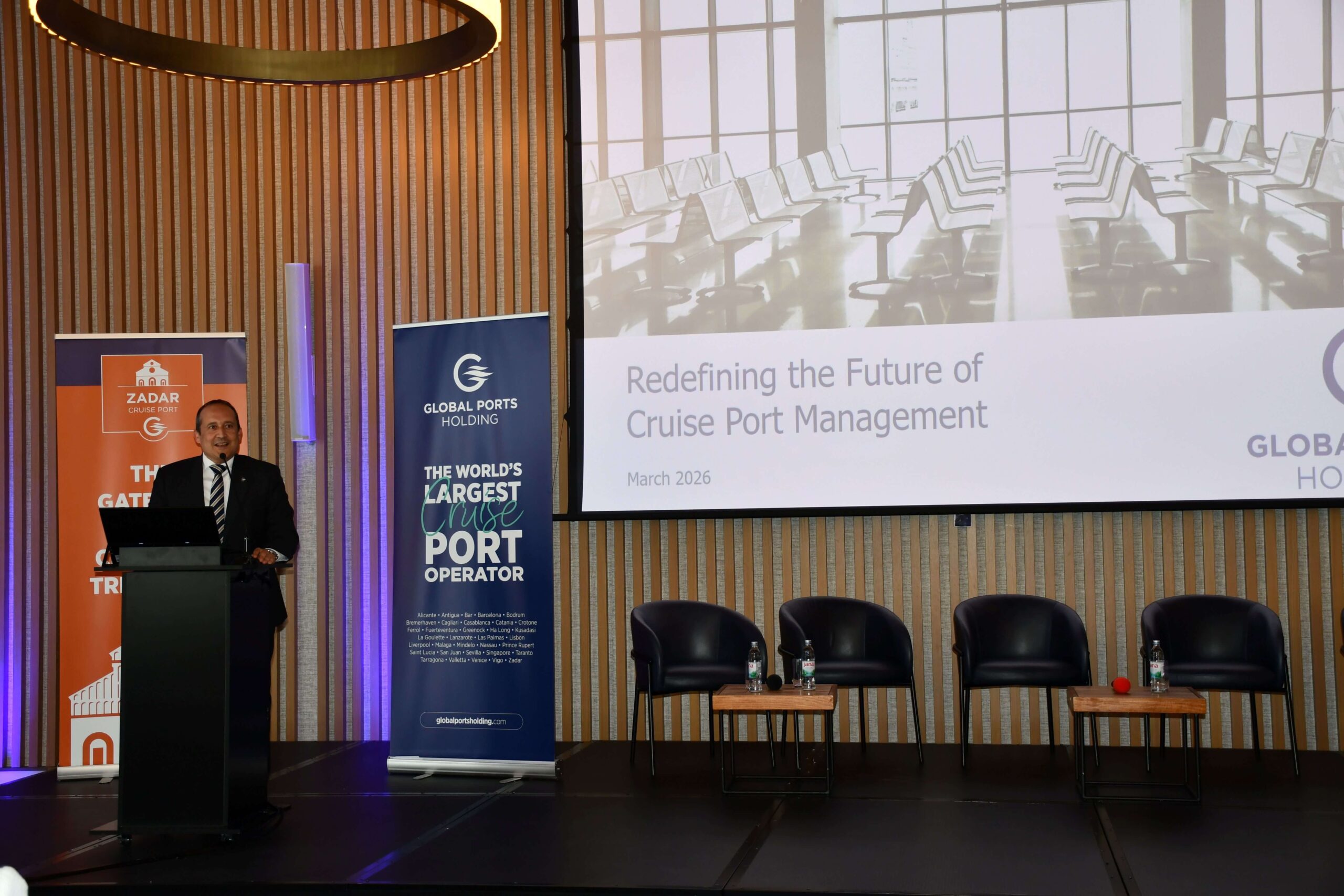
Stephen Xuereb, COO, Glopal Ports Holding, source: Cruiseclipping.com / author: Zagorka Stančić
The Cruise Industry and Challenges of Managing Passenger Flows in Croatian Ports
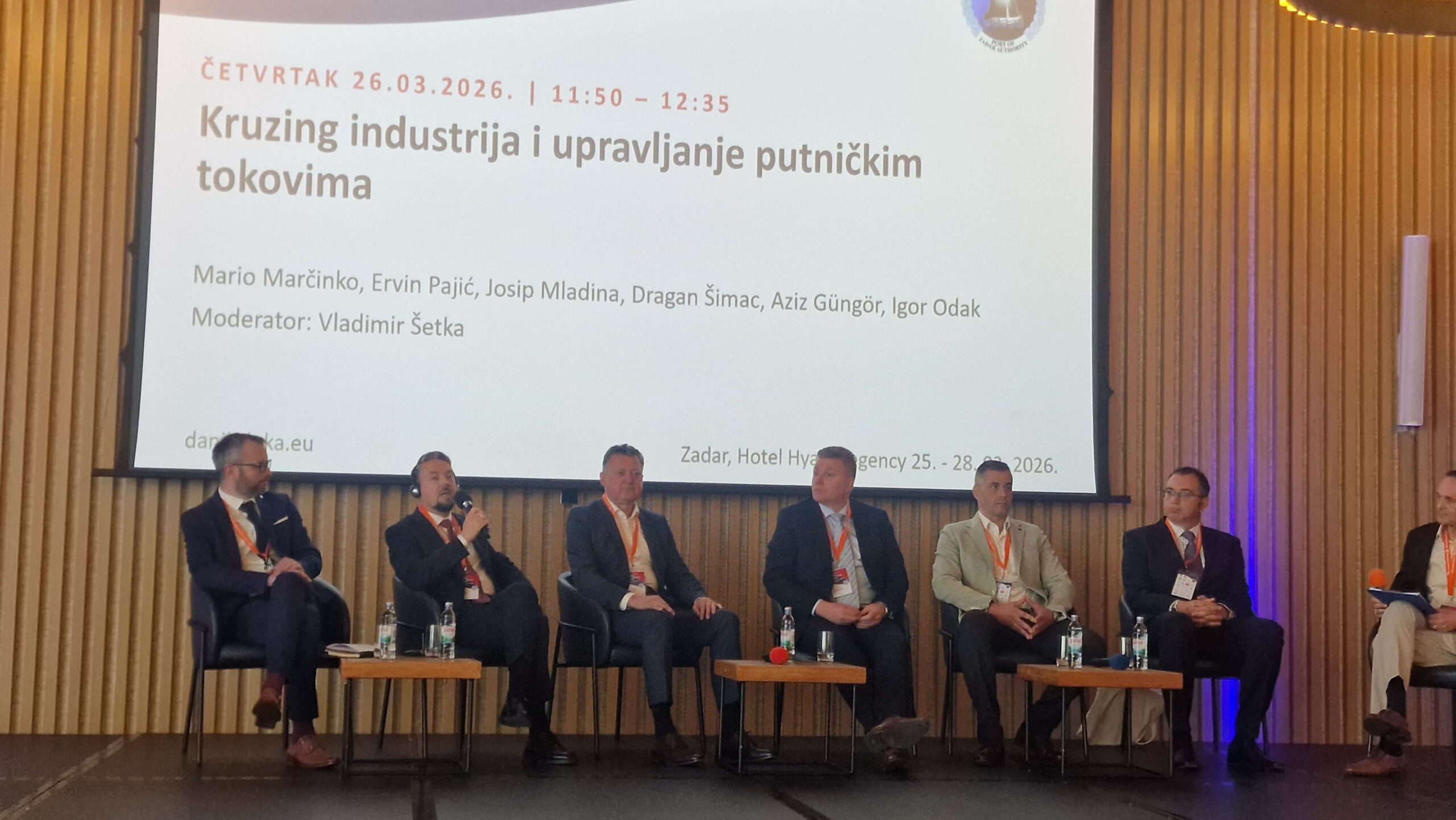
At the panel “Cruise Industry and Passenger Flow Management” held during Croatian Ports Days 2026 in Zadar, captains, representatives of cruise agencies, and experts from the port and tourism sectors discussed the growth of the cruise industry and its impact on Croatian ports and destinations, as well as trends in the cruise business.
Moderated by Vladimir Šetka, participants focused on the challenges and opportunities in coordinating ship arrivals, optimizing passenger flows, and sustainably integrating cruise traffic into port and urban systems.
The panel highlighted the importance of balancing the economic benefits that cruising brings to local communities with infrastructure capacity, as well as the need for joint planning among ports, cities, and operators in order to manage passenger flows effectively within the context of sustainable destination development.
Captains once again emphasized that ships are at the forefront of technological innovation and that pollution from cruise vessels is minimal, almost negligible.
From Infrastructure to Smart Ports
At Croatian Ports Days, panels showcased how Croatian expertise, in cooperation with port authorities, is transforming port management. In recent years, Croatian port authorities have increasingly relied on domestic technology and engineering companies such as Vectrino, Končar, Odašiljači i veze, and Ekonerg, gradually changing the way port infrastructure is managed.
Particularly notable are digital solutions for monitoring and analyzing coastal and underwater structures. Through digital modeling and scanning, Vectrino enables more precise planning of maintenance and investments.
At the same time, Končar is involved in developing power systems in ports, including shore electrification, ship power supply systems, and advanced management systems, improving energy efficiency and compliance with modern standards.
In communications infrastructure, Odašiljači i veze play a key role by ensuring stable and reliable networks necessary for traffic monitoring and navigation safety.
Meanwhile, Ekonerg provides expert support in environmental protection and sustainable development, including impact assessments and planning environmentally friendly solutions. This collaboration clearly demonstrates how Croatian ports are gradually transforming into more modern, safer, and sustainable systems through a combination of technology, energy solutions, and environmental standards.
SeaCras, a Croatian technology company, focuses on monitoring and protecting the sea using satellite data and artificial intelligence. Their solutions provide insights into the condition of the sea, such as detecting pollution and monitoring water quality in coastal areas, and they develop applications that help companies, institutions, and organizations make informed decisions related to environmental protection and the sustainable management of the sea.
This collaboration clearly demonstrates how Croatian ports are gradually transforming into more modern, safer, and sustainable systems through a combination of technology, energy solutions, and environmental standards.
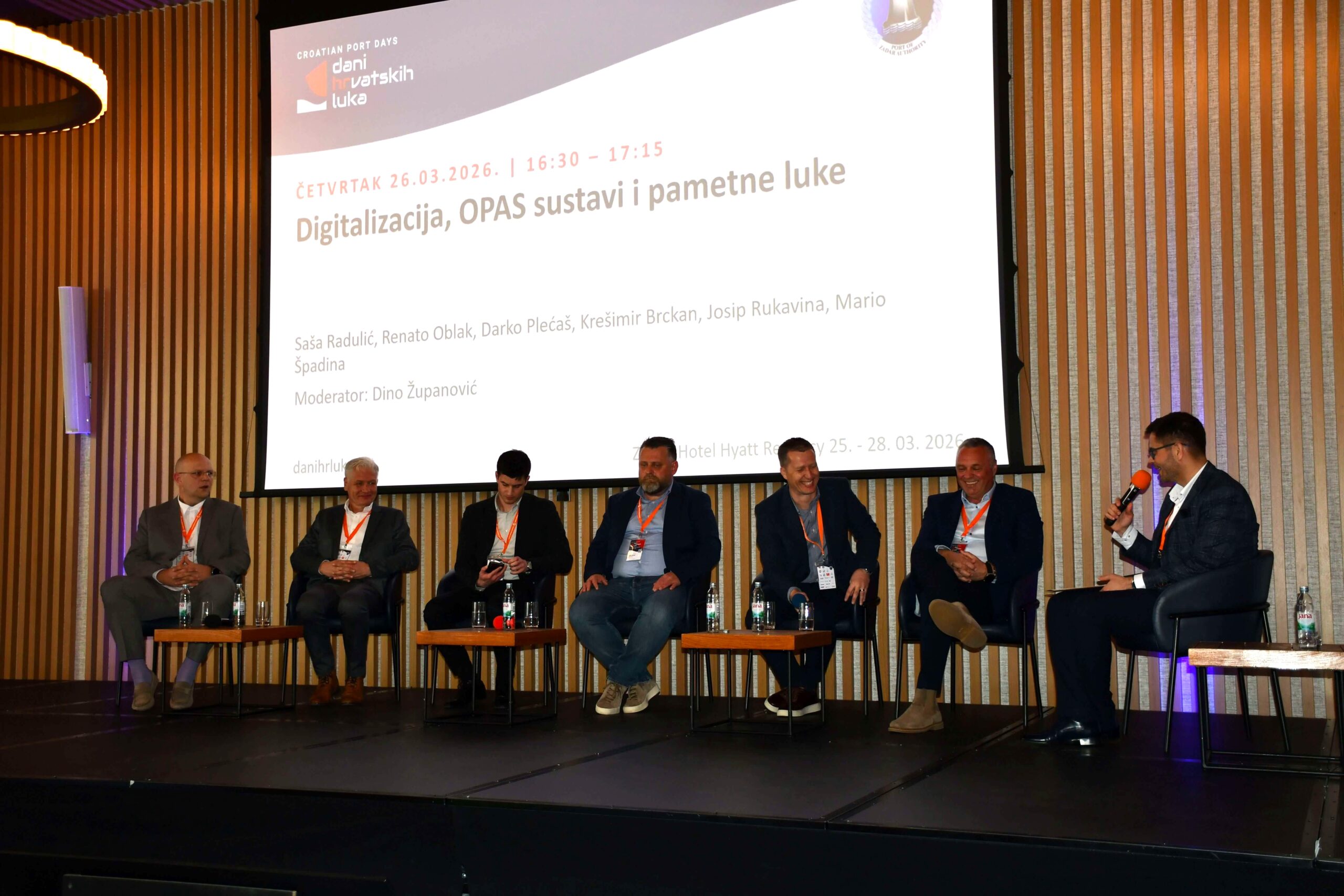
Panel: Digitalization, OPAS Systems, and Smart Ports, moderated by Dino Županović, with guests Josip Rukavina, Krešimir Brckan, Mario Špadina, Darko Plećaš, Renato Oblak, and Saša Radulić. Source: Cruiseclipping.com / Author: Zagorka Stančić.
Women in maritime industry
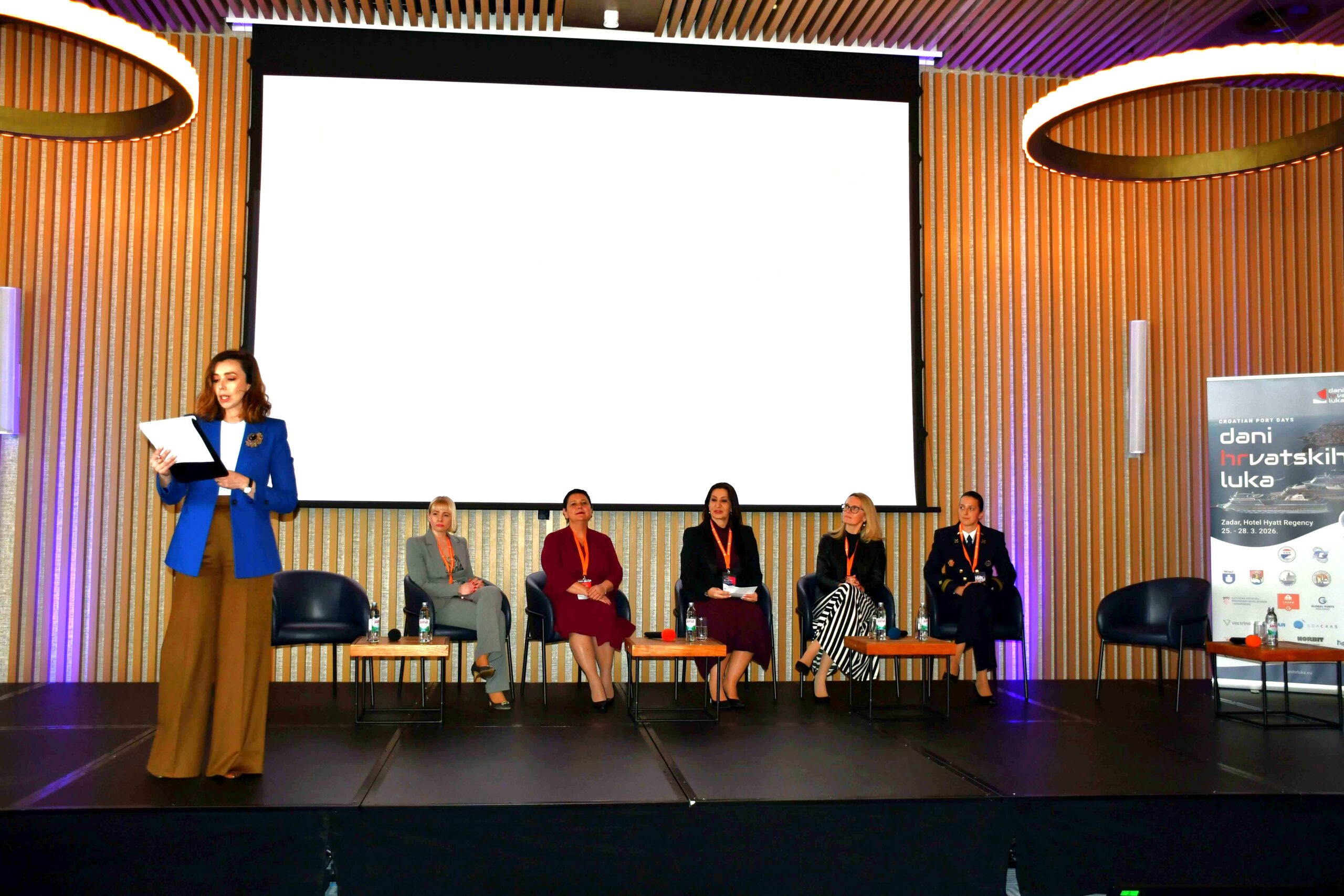
The panel “Women in Maritime” addressed the role and position of women in the maritime sector.
The discussion highlighted the continued underrepresentation of women, especially in senior positions. Participants emphasized the importance of education and equal access to career opportunities.
Challenges such as working conditions and work-life balance were discussed, along with the need to break stereotypes about “male” professions.
Greater visibility of successful women in the industry was identified as essential, as well as mentorship and support for younger women.
Examples of women in leadership roles in maritime were presented, and the panel concluded that greater equality contributes to the development and quality of the entire sector.
European Ports and Projects
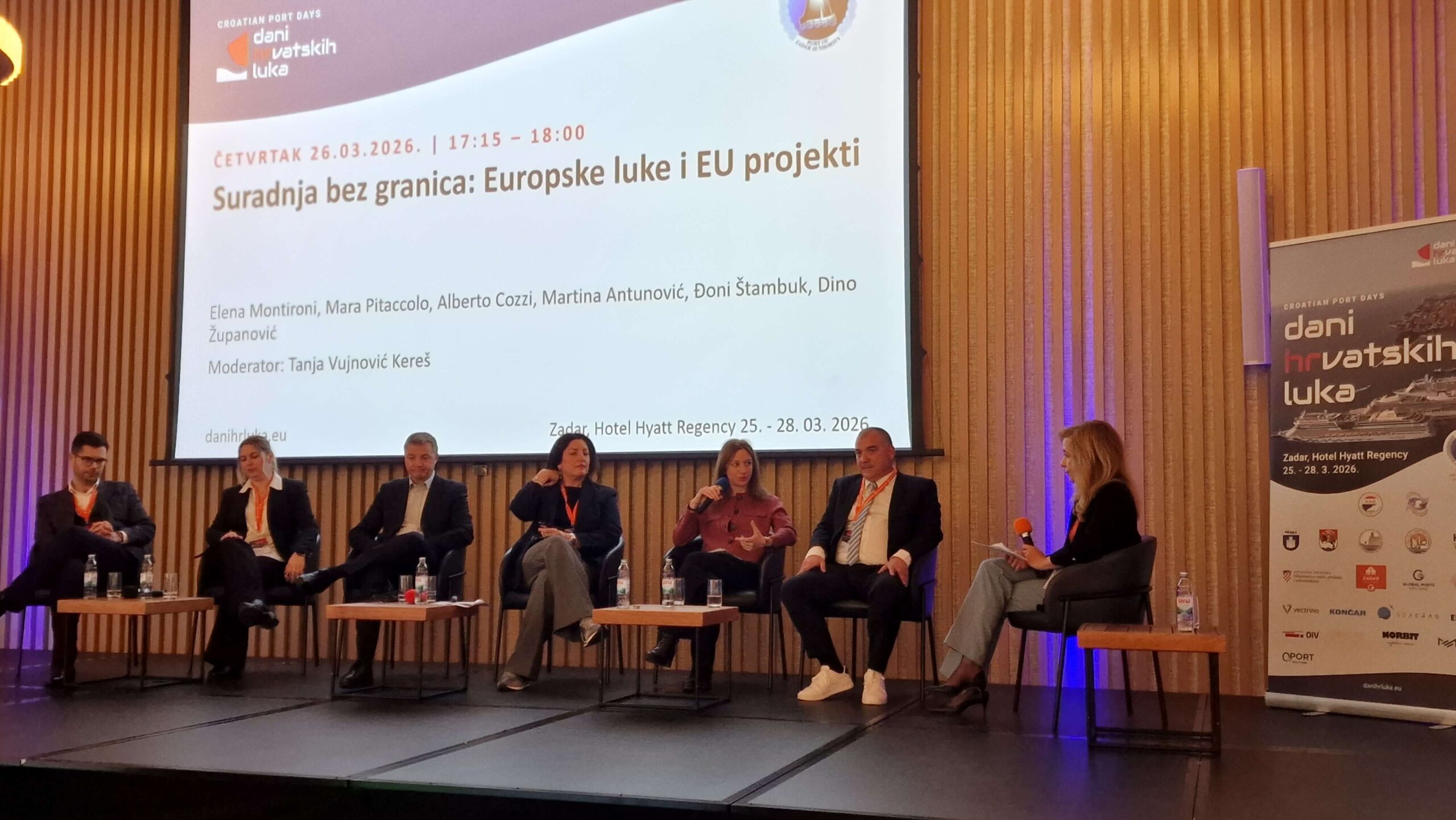
The panel “European Ports and Projects” focused on sharing experiences and presenting current projects contributing to the development and modernization of European ports.
Key topics included infrastructure investment, business digitalization, and sustainable development. Participants showcased projects aimed at improving logistics processes, reducing emissions, and applying new technologies.
Special emphasis was placed on the importance of EU funding and cross-border cooperation. Joint projects enable knowledge exchange, process standardization, and increased competitiveness at both European and global levels.
Examples of best practices from European ports were presented, particularly in traffic management, energy efficiency, and digital monitoring systems.
Participants stressed that investments in infrastructure and technology are crucial for long-term resilience, especially in the context of global supply chain changes, as well as the importance of continuous investment in human resources and education.
The panel concluded that cooperation, innovation, and strategic planning are key to developing modern ports.
Ports in Cities of the Future
In the future, Croatian ports will play a key role not only in transport and the economy, but also in shaping urban life.
They will develop as multifunctional spaces connecting logistics, tourism, technology, and sustainability. Ports are no longer isolated industrial zones but are increasingly integrated into cities, becoming accessible to citizens through public spaces, cultural content, and business zones.
A strong emphasis is placed on digitalization, smart technologies, and green transition, including emission reduction and renewable energy use.
Ports will strengthen connections with Europe and the world while also driving local development, employment, and innovation — becoming key drivers of urban growth and essential components of sustainable smart cities.
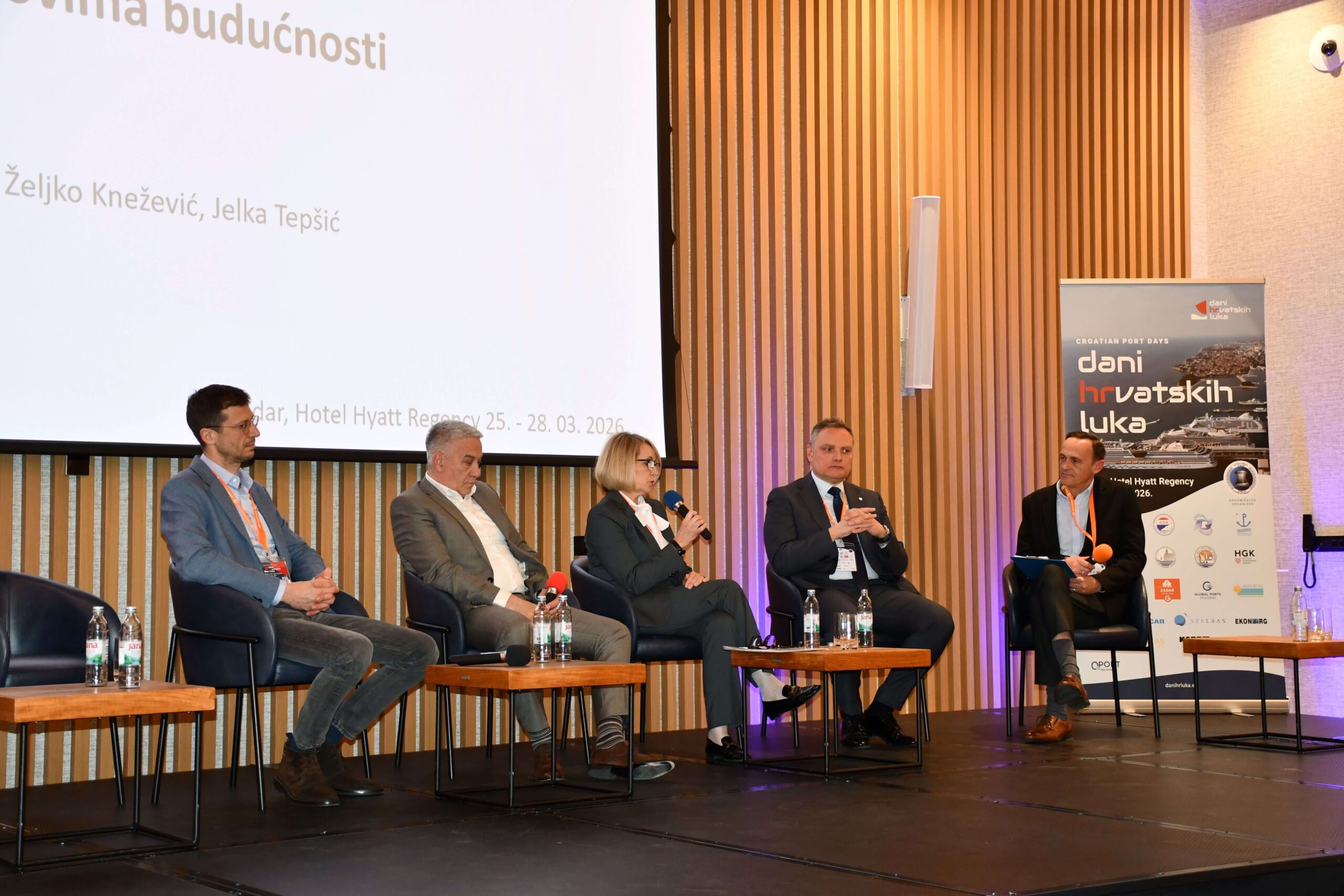
The perfectly organized Croatian Ports Days in Zadar represented a significant professional and promotional event that brought together representatives of port authorities, the business sector, and institutions with the aim of exchanging experiences, improving operations, and strengthening the competitiveness of Croatian ports.
This event in Zadar further highlighted the importance of maritime transport and logistics for regional development, while panel discussions, presentations, and participant networking encouraged cooperation and addressed current challenges and opportunities in the sector.
Croatian Ports Days in Zadar thus served as a platform for dialogue and knowledge exchange, as well as an opportunity to promote investments and the further development of port infrastructure in Croatia.